
Lovegobuy Finds
Spreadsheet
OVER 5000+
WITH QC PHOTOS
Click the images below to browse!
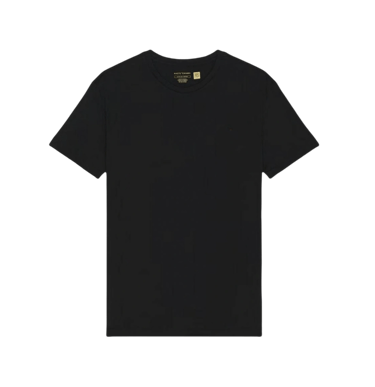
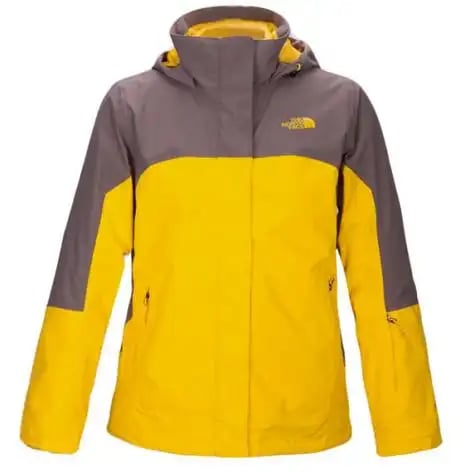
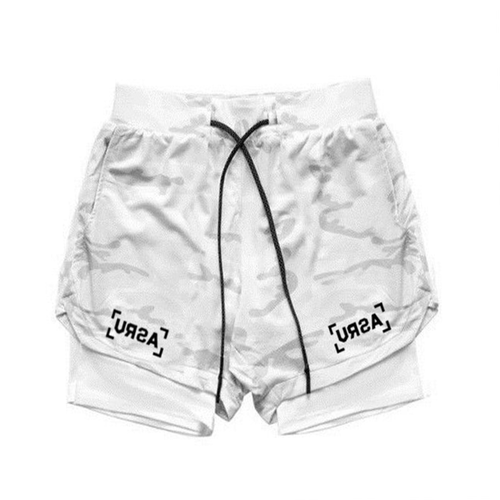
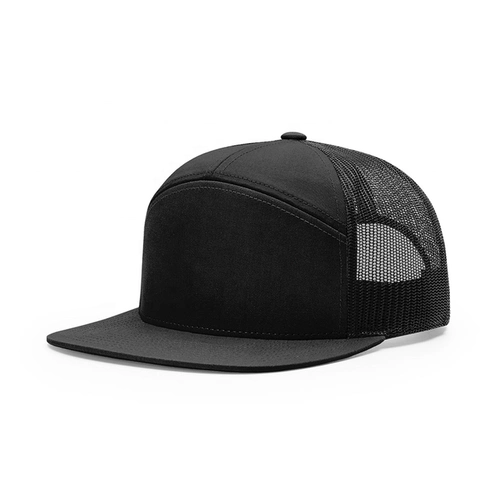
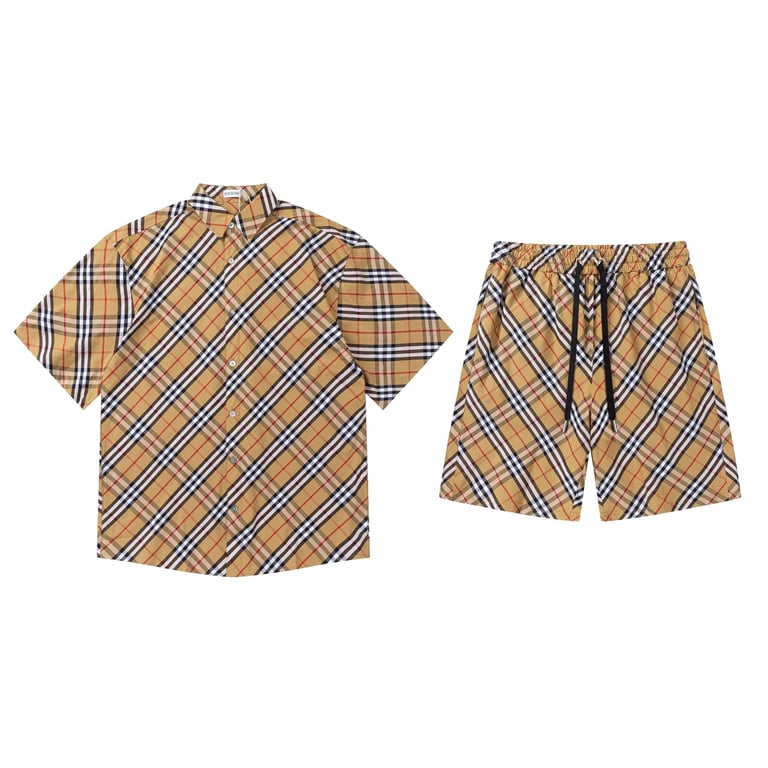
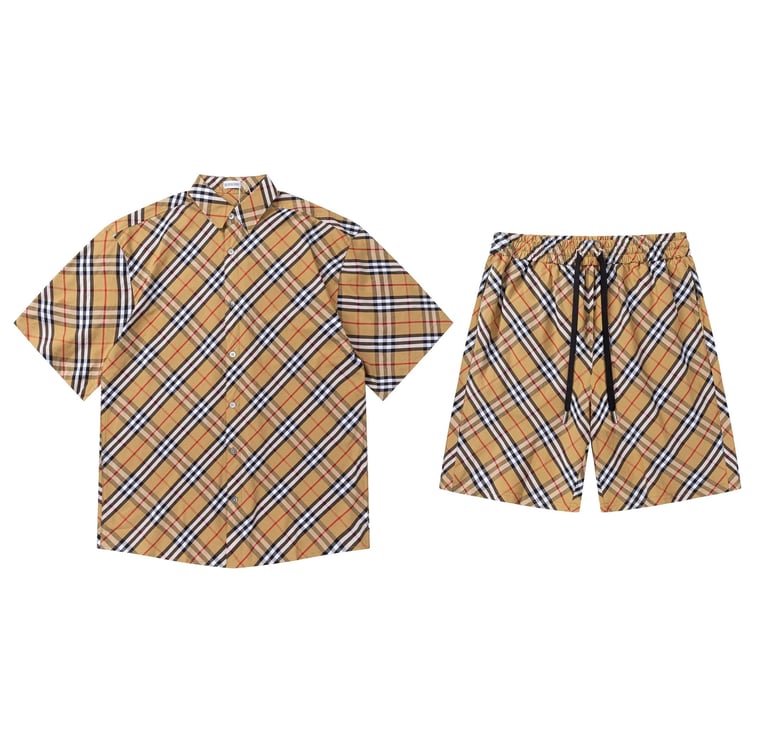
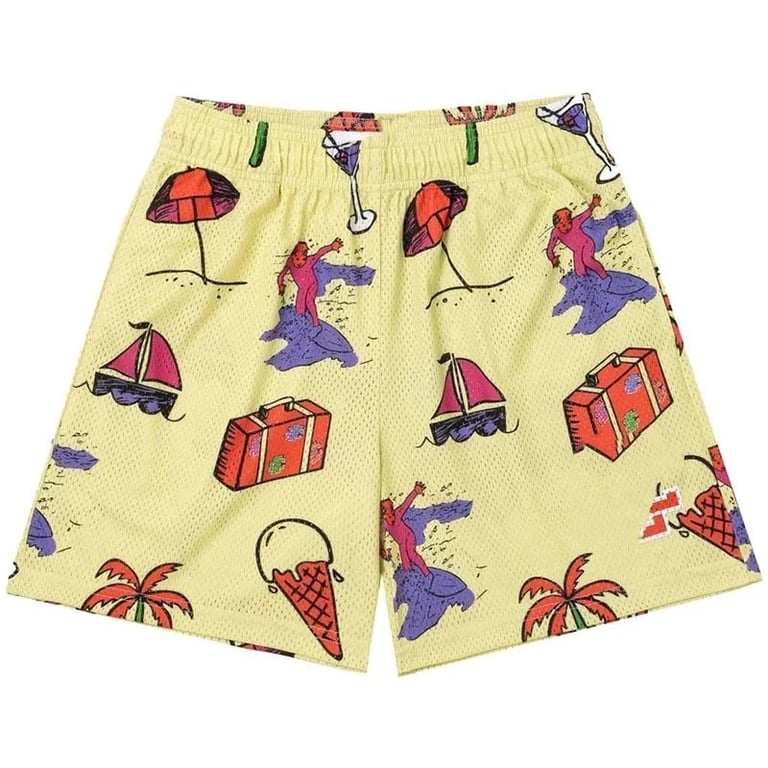
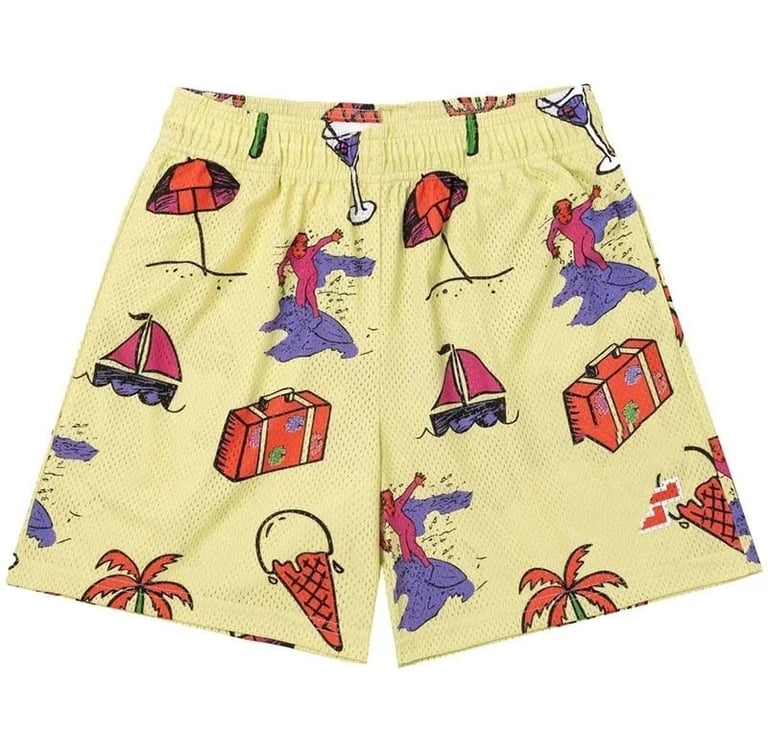
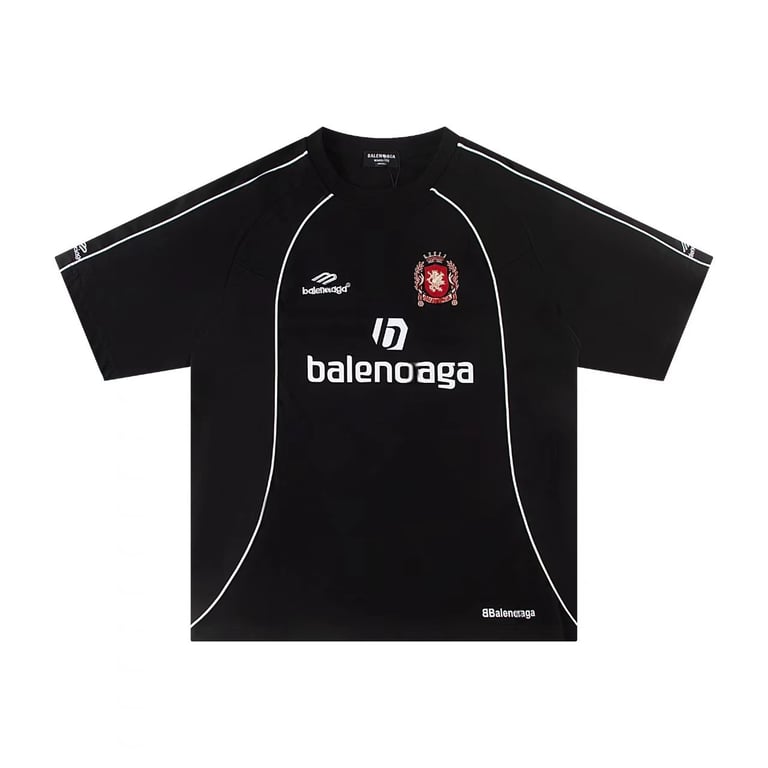
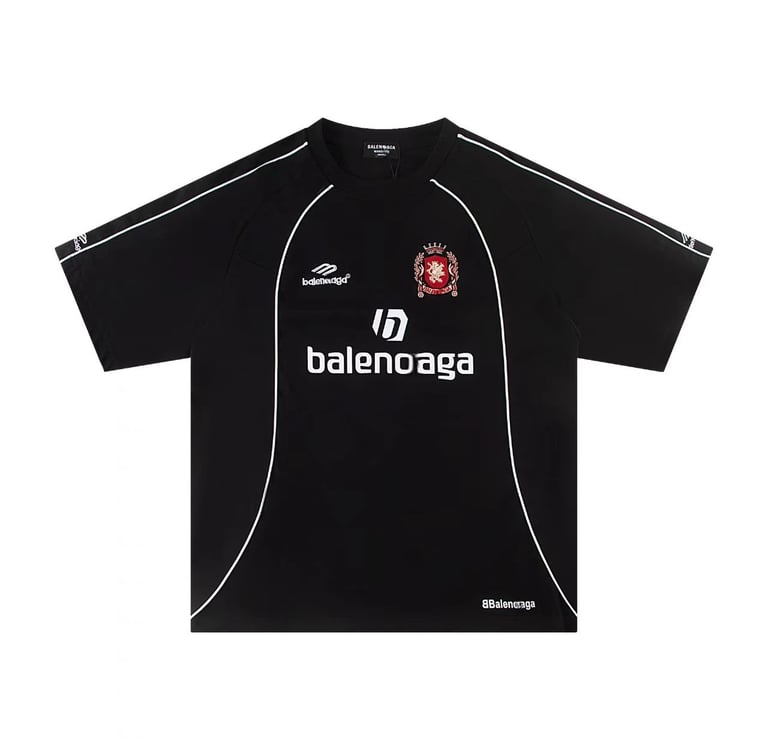
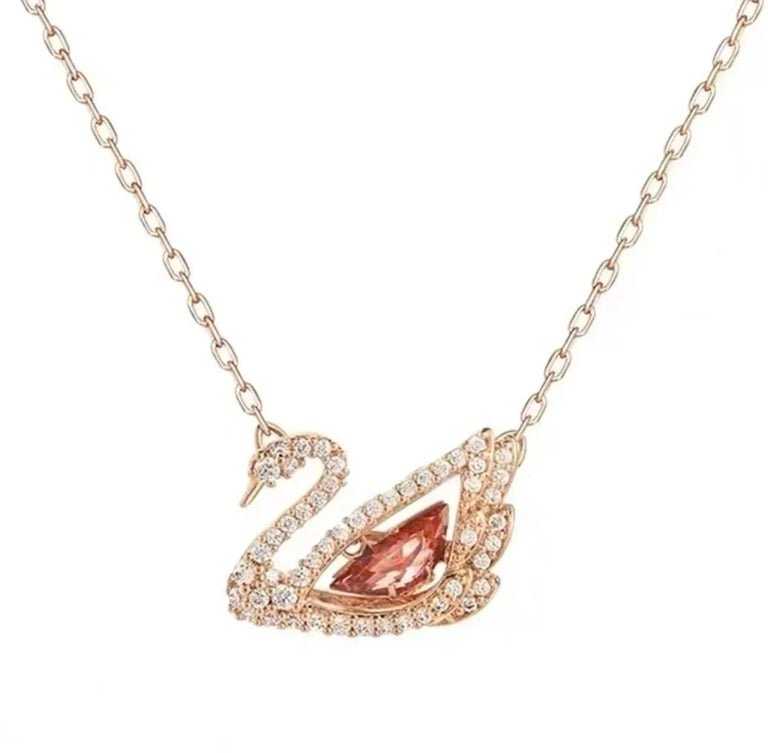
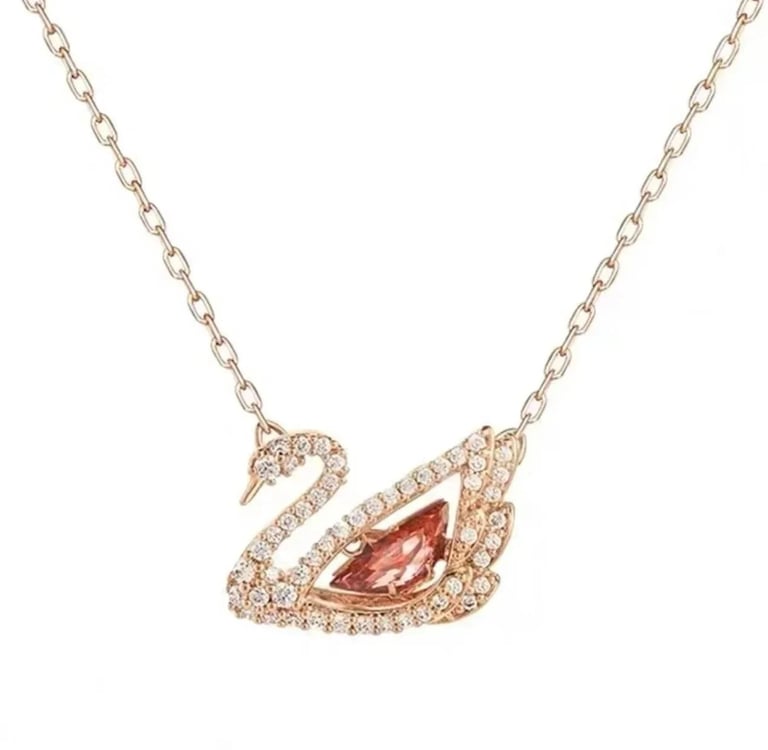
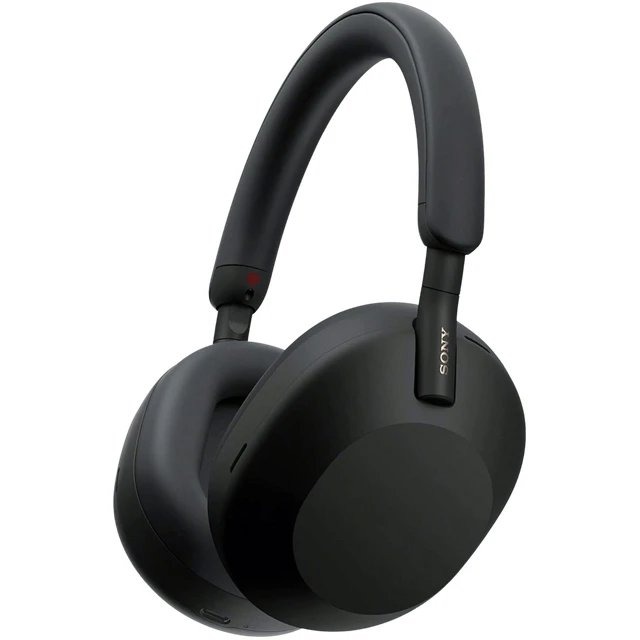
How Lovegobuy spreadsheet organizes cross-border product catalog structure
Cross-border ecommerce often becomes overwhelming when product listings are unstructured, duplicated, and spread across multiple suppliers. Users are forced to scroll through inconsistent pages, compare unrelated items, and repeatedly search for similar products in different formats. This lack of structure slows down decision-making and makes browsing inefficient.
The Lovegobuy spreadsheet introduces a simplified catalog system that reorganizes cross-border products into a structured browsing environment. Instead of treating products as isolated listings, it builds a unified catalog framework where items are grouped, structured, and optimized for fast navigation.
This article explains how the Lovegobuy spreadsheet organizes cross-border product catalog structure through category grouping, product structuring, and browsing simplicity.
Why cross-border product browsing becomes inefficient without structure
In traditional cross-border shopping environments, users often encounter:
Repeated products listed under different names
Inconsistent categorization across suppliers
Mixed product types within the same browsing page
Lack of logical grouping between similar items
Time-consuming manual filtering
This creates cognitive overload, especially when users are trying to compare multiple options quickly.
The Lovegobuy spreadsheet solves this by introducing a structured catalog system that organizes all products into a predictable and easy-to-navigate framework.
Step 1: Building category-based grouping for clearer navigation
The foundation of the Lovegobuy spreadsheet catalog system is category grouping.
Instead of displaying products randomly, items are organized into logical categories such as:
Functional product types
Usage-based segments
Material or design-based groups
Cross-supplier product clusters
This allows users to start browsing from a structured entry point rather than searching blindly.
Category grouping reduces decision complexity by narrowing focus to relevant product families before deeper exploration begins.
Step 2: Structuring products into comparable units
Beyond category grouping, the Lovegobuy spreadsheet introduces product structuring at a deeper level.
Within each category, products are organized based on:
Similar functionality and use case
Shared design characteristics
Comparable pricing ranges
Supplier overlap relationships
This means users are not just browsing lists—they are viewing structured product units that are directly comparable.
Product structuring ensures that users can evaluate alternatives efficiently without needing to re-interpret each listing individually.
Step 3: Reducing duplication through catalog normalization
One major issue in cross-border sourcing is duplication. The same product often appears multiple times under different suppliers or naming formats.
The Lovegobuy spreadsheet addresses this through catalog normalization, which:
Merges similar listings into unified entries
Groups duplicate products under shared structures
Aligns inconsistent naming formats
Reduces visual clutter in browsing views
This creates a cleaner catalog experience where users see product groups instead of repeated entries.
Normalization improves clarity and prevents unnecessary comparison noise.
Step 4: Improving browsing simplicity through structured hierarchy
The Lovegobuy spreadsheet is designed to simplify browsing through a hierarchical structure.
Users move through layers such as:
Category level (broad product groups)
Sub-category level (specific use cases)
Product cluster level (similar items grouped together)
Individual product entries (final selection layer)
This structured navigation system allows users to progressively refine their choices instead of being overwhelmed by all products at once.
Browsing becomes a step-by-step filtering process rather than a chaotic search experience.
Step 5: Enhancing comparison efficiency within catalog structure
Once products are organized into structured groups, comparison becomes significantly easier.
Inside the Lovegobuy spreadsheet, users can:
Compare similar products within the same cluster
Evaluate pricing differences in context
Identify variation differences across suppliers
Select best-fit options within a structured group
Because products are already normalized and grouped, comparison does not require manual restructuring by the user.
This improves both speed and accuracy in decision-making.
Step 6: Supporting faster product discovery through simplified layout
A major advantage of structured catalog design is improved discovery speed.
The Lovegobuy spreadsheet enhances discovery by:
Removing irrelevant or unrelated listings from view
Highlighting structured product clusters instead of raw data
Reducing the number of steps needed to find relevant items
Presenting clean, predictable browsing paths
This makes it easier for users to find products without extensive searching or filtering.
Simplicity directly improves discovery efficiency.
Step 7: Connecting catalog browsing with Lovegobuy links
While the Lovegobuy spreadsheet focuses on structure, execution requires direct access.
Through Lovegobuy links, users can:
Open supplier product pages directly from catalog entries
Verify real-time availability and pricing
Check variation completeness across sellers
Transition from browsing to validation instantly
This creates a seamless flow from structured catalog browsing to real-world product confirmation.
Common issues without structured catalogs
Without systems like the Lovegobuy spreadsheet, users often face:
Repetitive product listings across categories
Difficulty distinguishing similar products
Overwhelming browsing interfaces
Inefficient comparison workflows
Slow decision-making due to lack of structure
These issues reduce sourcing efficiency and increase cognitive load.
Practical workflow for structured catalog browsing
A simplified browsing process includes:
Start from category grouping in Lovegobuy spreadsheet
Navigate through structured sub-categories
Explore product clusters instead of isolated listings
Compare structured product options
Select preferred item within group context
Validate using Lovegobuy links
Complete sourcing decision
This workflow replaces random browsing with structured navigation.
Conclusion
The Lovegobuy spreadsheet improves cross-border product browsing by introducing a structured catalog system built on category grouping, product structuring, and browsing simplification. Instead of dealing with fragmented listings, users navigate a clean and hierarchical product environment.
When combined with Lovegobuy links, this system becomes fully operational, allowing users to move smoothly from structured browsing to real-time product validation, creating a faster and more efficient cross-border shopping experience.


How Lovegobuy links improve navigation across product categories
In cross-border ecommerce, one of the biggest hidden problems is not product availability, but category navigation. Users often know the general type of product they want, but struggle to move efficiently between categories, subcategories, and related listings. Traditional platforms rely heavily on manual browsing, which forces users to repeatedly backtrack, re-search, and re-filter products.
The Lovegobuy links system solves this by introducing a direct navigation layer that connects structured category data in the Lovegobuy spreadsheet with actual product pages. Instead of browsing step-by-step through multiple menus, users can jump between categories and product groups through click-based routing.
This article explains how Lovegobuy links improve cross-category navigation through click navigation, category routing, and optimized UX flow.
Why category navigation is inefficient in cross-border shopping
Most cross-border platforms are not designed for fast category switching. Users often face:
Deep category hierarchies with many layers
Repeated back-and-forth navigation between sections
Inconsistent category naming across suppliers
Mixed product types within the same category
Difficulty comparing items across different sections
As a result, users spend more time navigating than actually evaluating products.
The Lovegobuy links system restructures this experience into a direct navigation model.
Step 1: Replacing multi-step browsing with click navigation
The core improvement of Lovegobuy links is click-based navigation.
Instead of:
Opening category menus manually
Drilling down through multiple subcategories
Repeating searches within each section
Users can simply click a structured link that takes them directly to the relevant product category or product cluster.
This removes unnecessary navigation steps and significantly reduces browsing time.
Click navigation turns exploration into a single-action process instead of a multi-layer journey.
Step 2: Enabling direct category routing between product groups
Cross-border product categories are often interconnected. For example:
Home storage links to kitchen organization
Fashion basics connect with accessory categories
Utility tools overlap with lifestyle products
Without structured routing, users must manually switch between these categories.
The Lovegobuy links system introduces category routing, allowing users to:
Jump between related product categories instantly
Explore adjacent product groups without restarting navigation
Follow structured pathways between product types
Move across categories based on usage context
This creates a network-like browsing experience instead of a linear menu structure.
Step 3: Improving UX flow through structured navigation paths
User experience in ecommerce is heavily influenced by flow consistency. If navigation feels fragmented, users lose focus and abandon browsing earlier.
The Lovegobuy links system improves UX flow by:
Reducing unnecessary navigation layers
Keeping users within structured product pathways
Providing predictable click destinations
Minimizing cognitive switching between categories
Instead of feeling like separate browsing actions, navigation becomes a continuous flow from one product group to another.
This improves engagement and reduces decision fatigue.
Step 4: Connecting category structure with Lovegobuy spreadsheet logic
The Lovegobuy spreadsheet provides the structural foundation for navigation. It organizes products into:
Category groups
Subcategory clusters
Product families
Supplier-linked groupings
The Lovegobuy links layer transforms this structure into actionable navigation paths.
Users can:
Move from category overview → product cluster → supplier page
Jump between related categories without losing context
Access structured groupings directly instead of searching manually
This ensures that navigation is always aligned with product structure.
Step 5: Reducing category switching friction
One of the biggest inefficiencies in traditional ecommerce browsing is switching between categories.
Without Lovegobuy links, users must:
Return to homepage or category index
Re-navigate through menus
Reapply filters repeatedly
Re-identify relevant product groups
With click-based routing, this friction is removed. Users can move between categories instantly without restarting the browsing process.
This significantly improves browsing efficiency, especially when exploring multiple product types.
Step 6: Supporting exploratory browsing behavior
Cross-border shoppers often do not follow a fixed path. They explore products dynamically across multiple categories.
The Lovegobuy links system supports this by:
Allowing flexible movement between product groups
Encouraging discovery across related categories
Reducing barriers between different browsing sections
Making exploration fast and reversible
This supports natural browsing behavior instead of forcing linear navigation.
Step 7: Enhancing decision speed through better navigation flow
Faster navigation directly leads to faster decisions.
By using Lovegobuy links, users can:
Reach relevant product categories instantly
Compare items across categories quickly
Eliminate delays caused by manual navigation
Focus more on evaluation rather than browsing
This improves overall decision-making speed in cross-border sourcing.
Common navigation problems without structured linking
Without systems like Lovegobuy links, users often experience:
Getting lost in deep category structures
Repeating navigation steps unnecessarily
Missing relevant product categories
Slow transitions between related product types
Fragmented browsing experience
These issues reduce both efficiency and satisfaction.
Practical workflow for category navigation using Lovegobuy links
A structured navigation process includes:
Start from Lovegobuy spreadsheet category structure
Use Lovegobuy links to enter product categories directly
Move between related categories via click routing
Explore product clusters within each category
Compare options across multiple sections
Validate selected products via supplier pages
Complete sourcing decision efficiently
This workflow replaces manual browsing with structured navigation paths.
Conclusion
The Lovegobuy links system significantly improves cross-border category navigation by introducing click-based routing, structured category transitions, and optimized UX flow. Instead of manually navigating complex category trees, users can move directly between product groups and related sections with minimal effort.
When combined with the Lovegobuy spreadsheet, it creates a seamless browsing experience that connects structured product organization with efficient navigation execution, resulting in faster, smoother, and more intuitive cross-border ecommerce exploration.